Fencing Magazine Indexing Initiative
This initiative focuses on indexing, transcribing, and adding metadata to important fencing magazines. These publications offer a more focused view of the sport than most mainstream media, covering a wider range of competitions, discussions, and developments and together establishes a clear narrative for how fencing has evolved over time. While many of these magazines are available online through national libraries, they are often difficult to search and navigate. By indexing, summarizing, and cataloging, this initiative makes this important content easier to discover and research.
Project Objectives
- ◾ Full indexing of volumes, issues, and articles
- ◾ Full transcription to clean, searchable text
- ◾ Detailed metadata attribution
- ◾ Developing fencing-specific subject headings
- ◾ Linking new resources to known personages
- ◾ Identification of lesser-known personalities
- ◾ Structured dataset for digital analysis
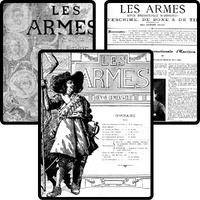
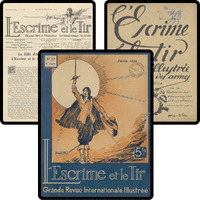
- ✅ Digitised/Sourced
- ✅ Issues Indexed
- ✅ Articles Indexed
- ✅ OCR/AI Transcribed
- ⬛ Summaries Generated
- ⬛ Subject Headings
- ✅ Digitised/Sourced
- ✅ Issues Indexed
- ⬛ Articles Indexed
- ⬛ OCR/AI Transcribed
- ⬛ Summaries Generated
- ⬛ Subject Headings
- ✅ Digitised/Sourced
- ✅ Issues Indexed
- ⬛ Articles Indexed
- ⬛ OCR/AI Transcribed
- ⬛ Summaries Generated
- ⬛ Subject Headings
- ✅ Digitised/Sourced
- ✅ Issues Indexed
- ⬛ Articles Indexed
- ⬛ OCR/AI Transcribed
- ⬛ Summaries Generated
- ⬛ Subject Headings
Printed Ephemera
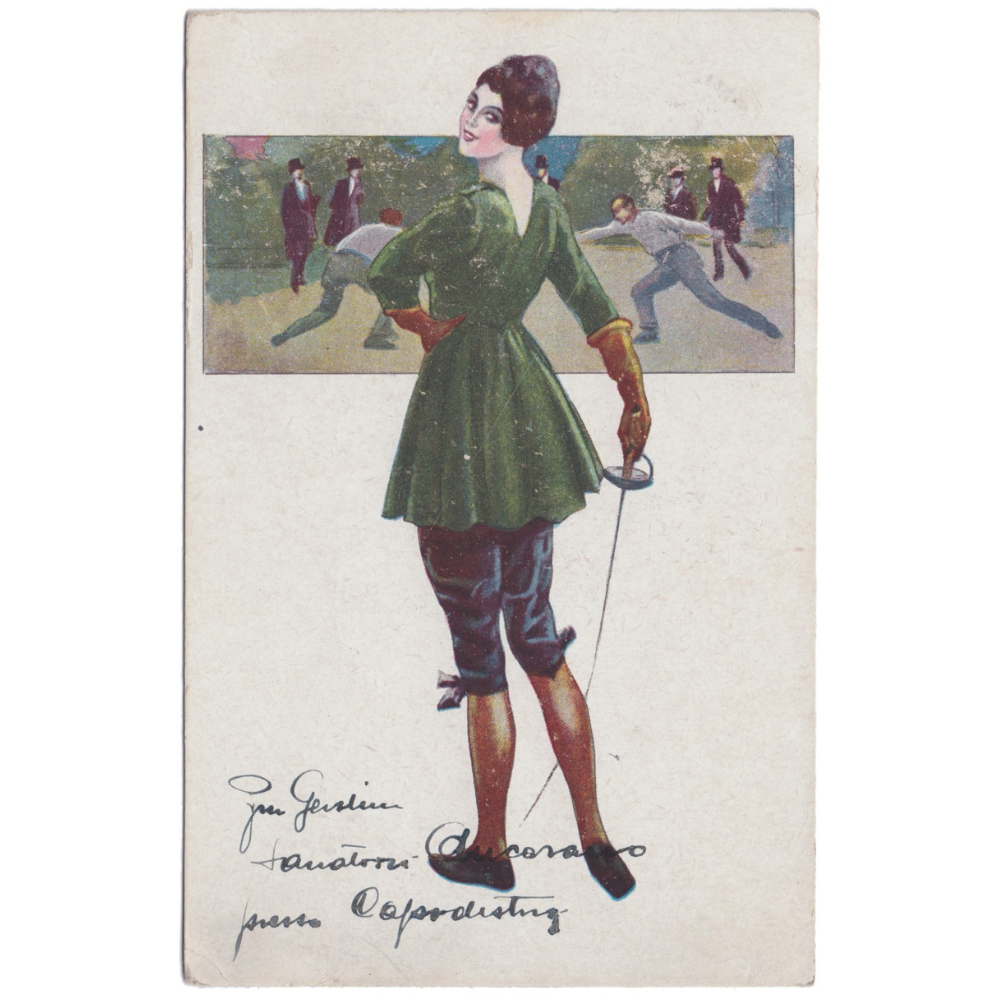
Printed ephemera provides a unique window into the everyday history of fencing. From sales catalogues and postcards to programmes, flyers, and other printed material, these items document how fencing was practised, promoted, and experienced beyond the piste. Together they preserve the visual culture, commercial history, and social life of the sport.
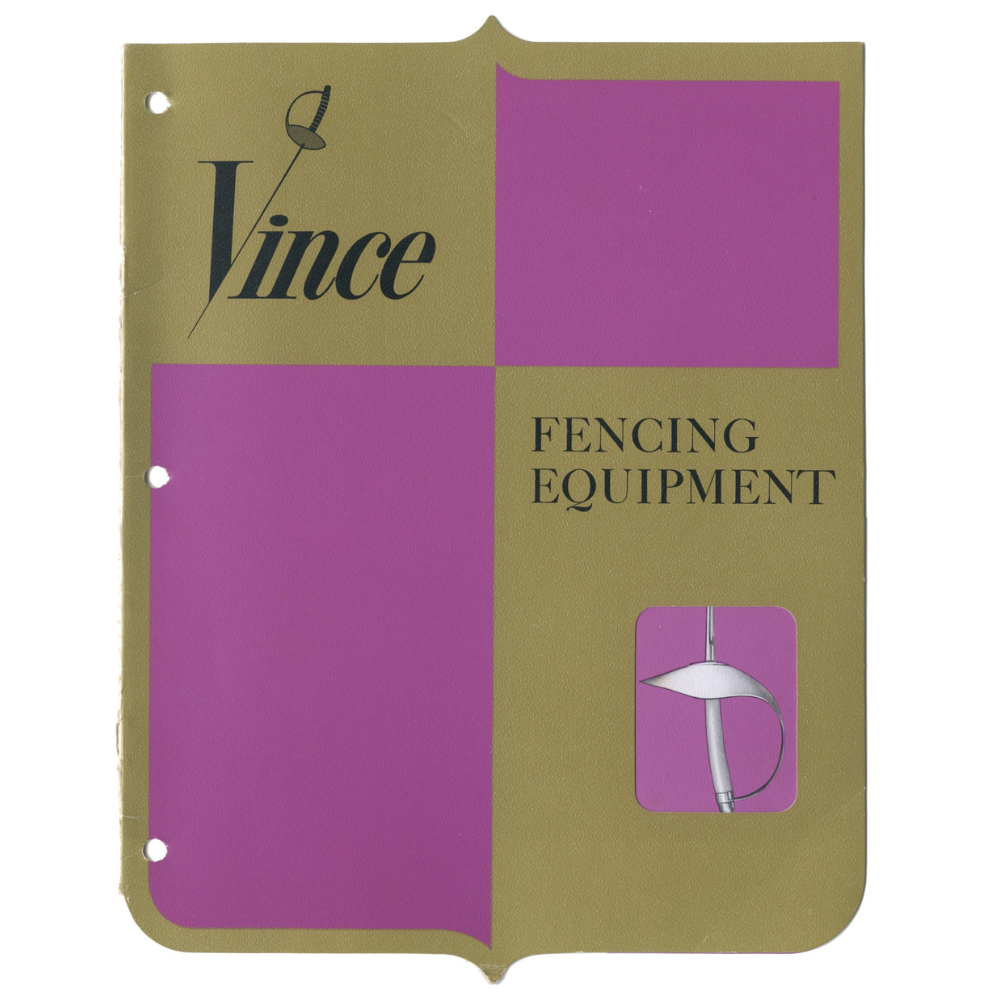
Equipment
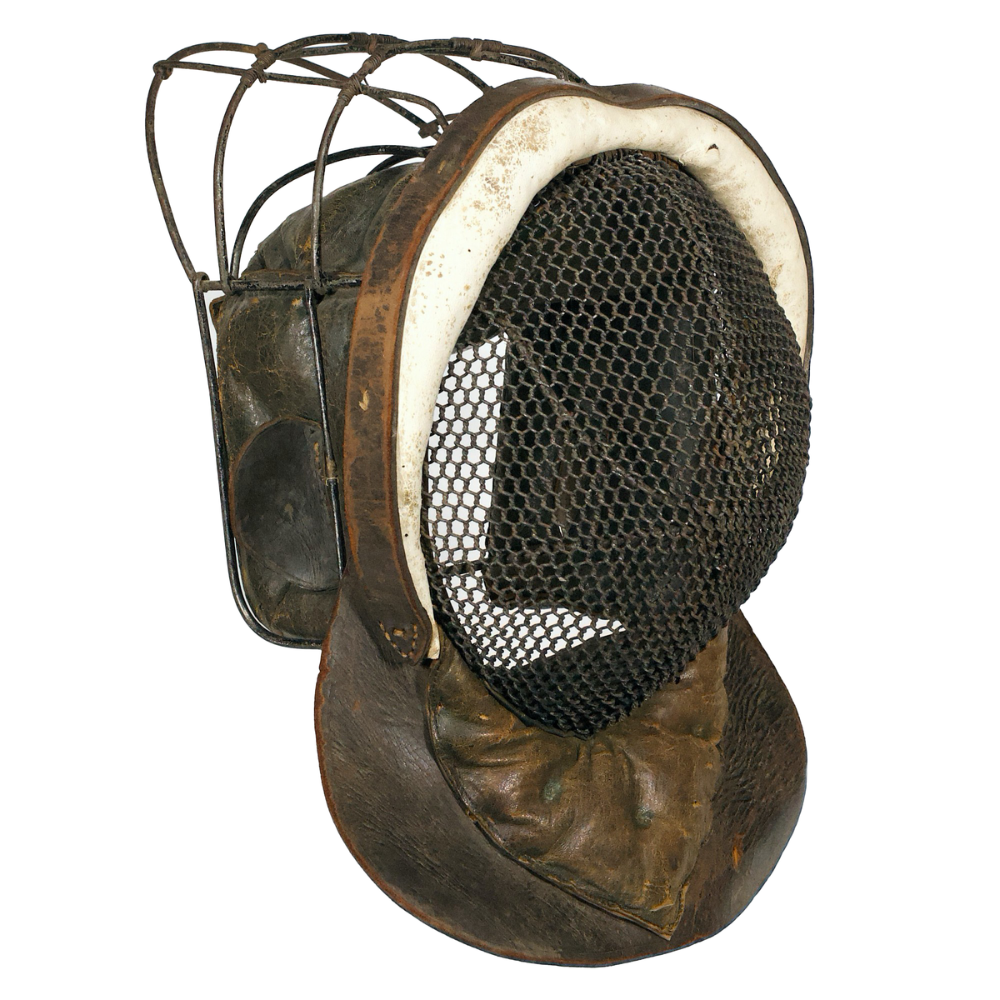
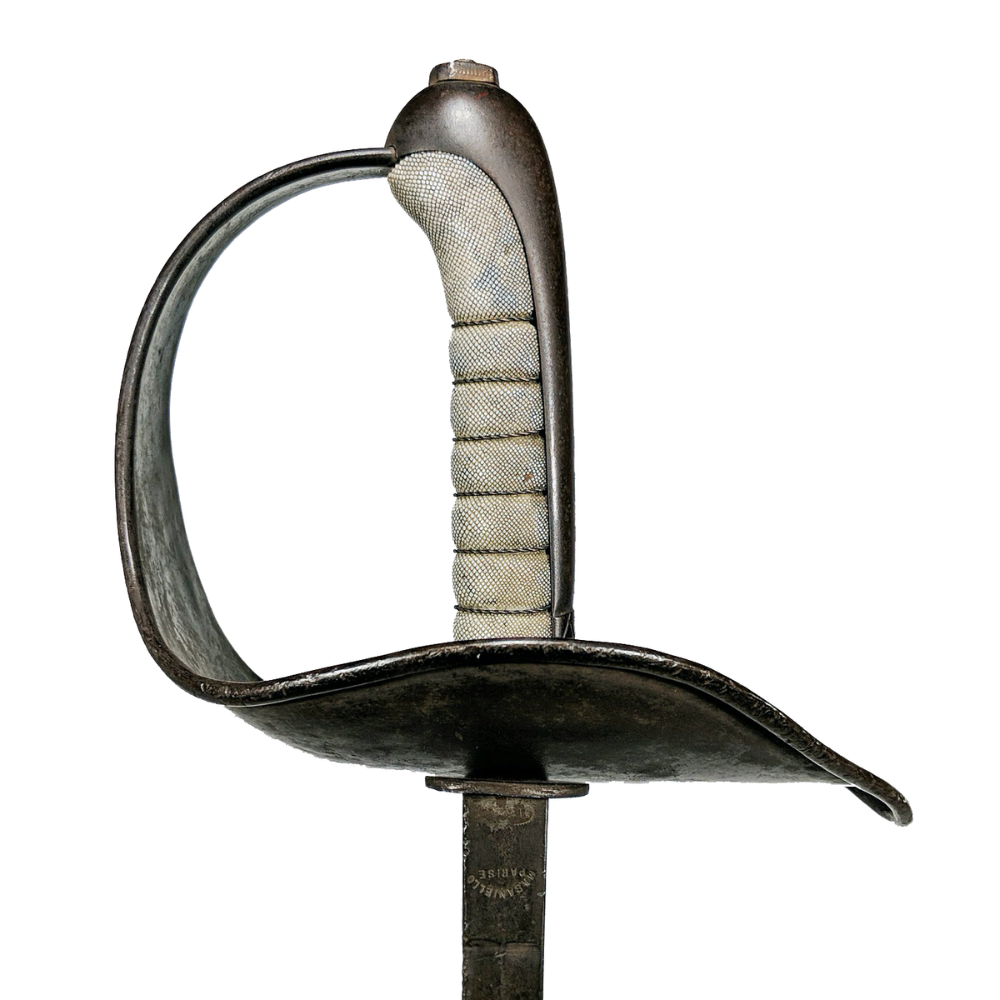
The equipment collection documents the evolution of fencing technology through weapons, protective equipment, scoring apparatus, training devices, and manufacturer catalogues. By comparing objects across different periods, researchers can trace changes in design, materials, craftsmanship, and the development of modern fencing.
Publications
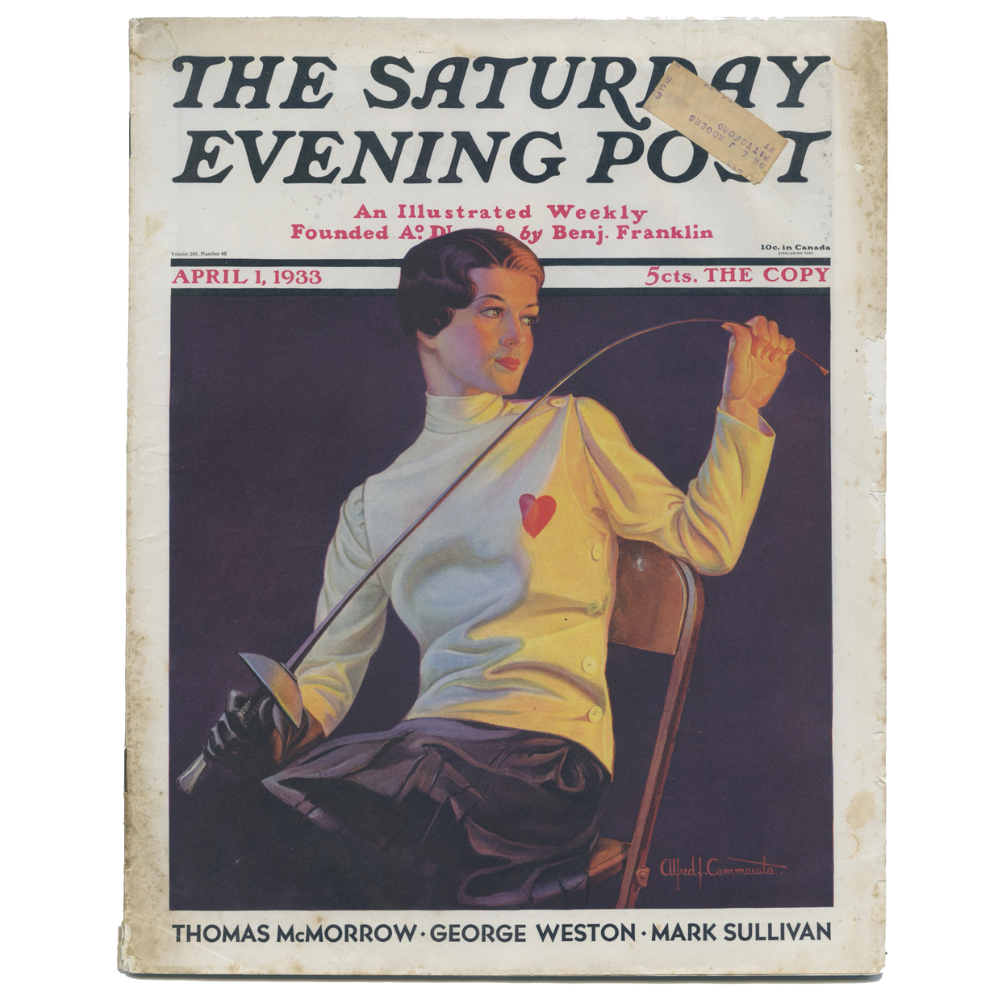
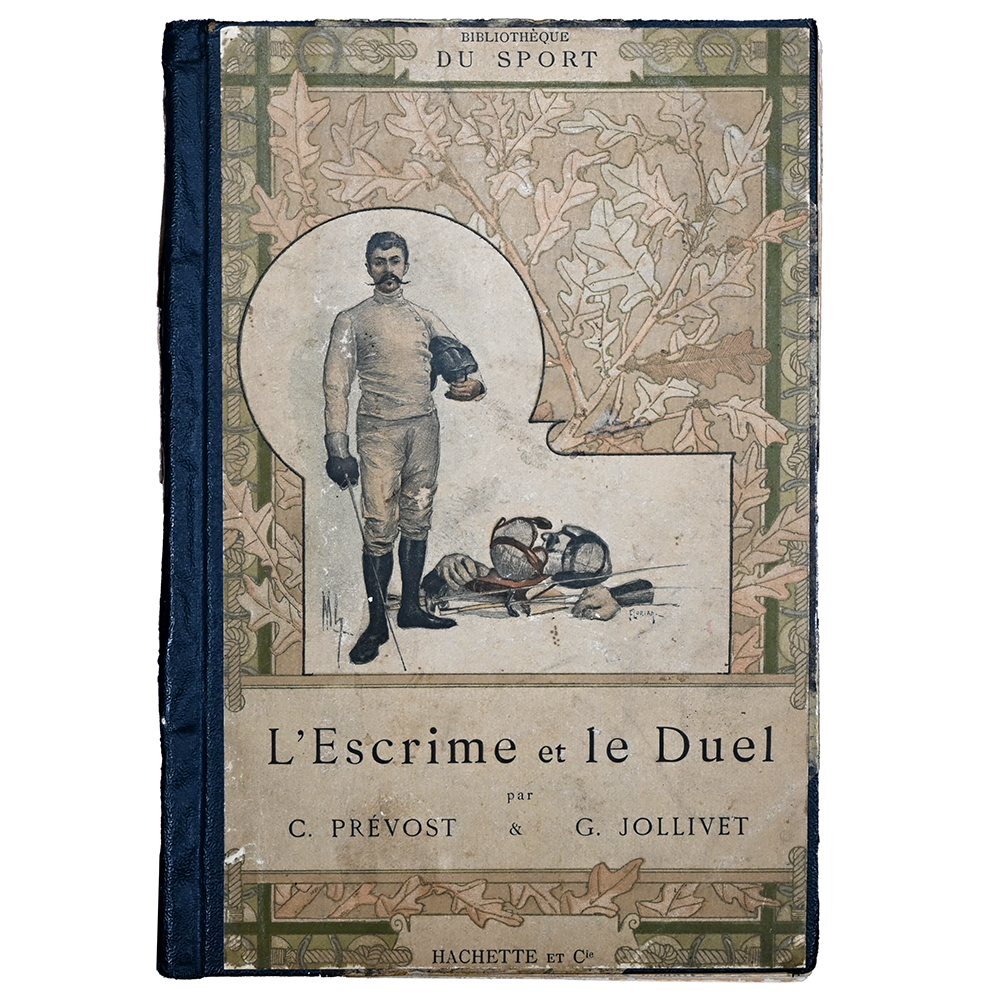
Publications form the heart of the database, bringing together books, magazines, newspapers, and journals spanning more than a century of fencing history. Individual articles are indexed, transcribed, summarised, and linked through rich metadata, making it possible to discover people, events, clubs, and subjects that would otherwise remain hidden within thousands of pages.
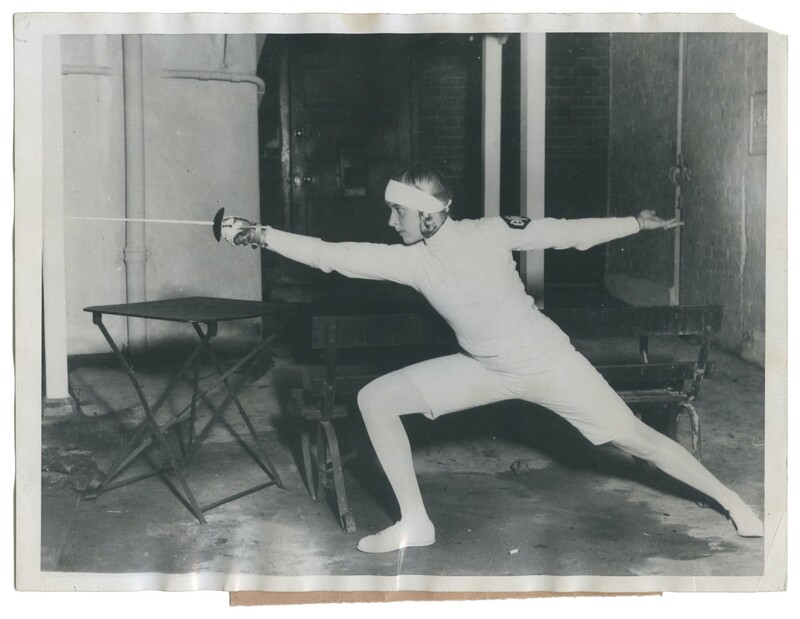
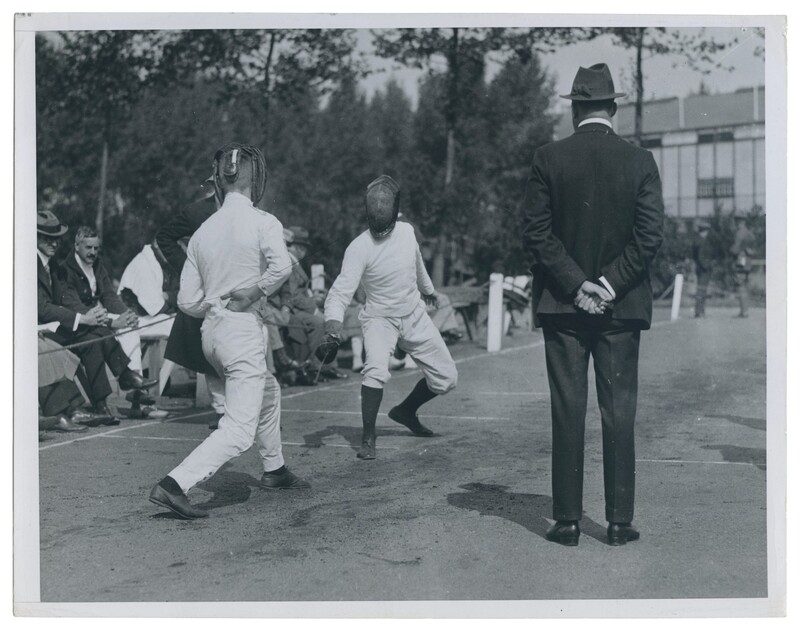
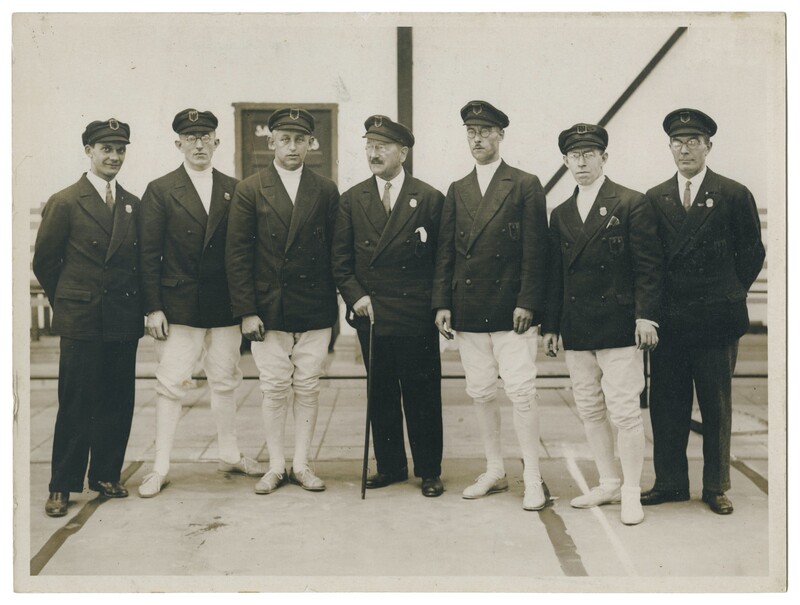
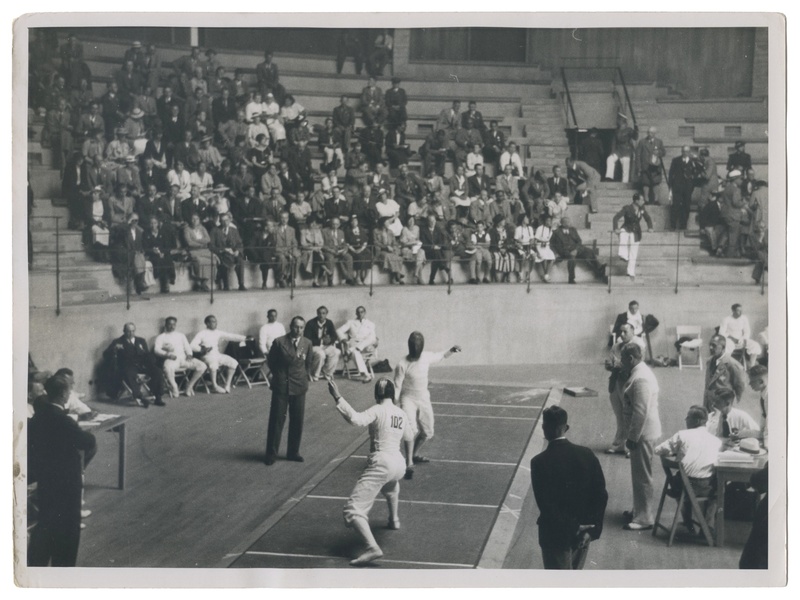
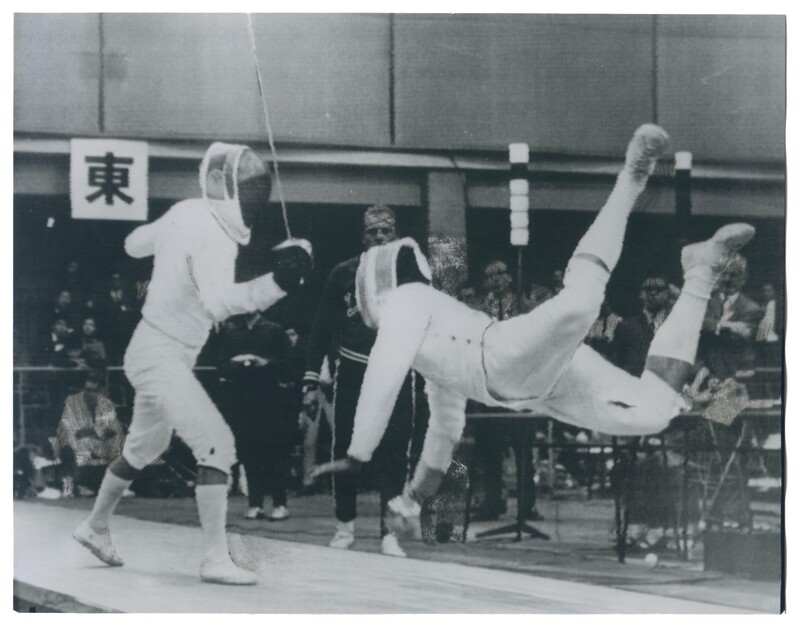
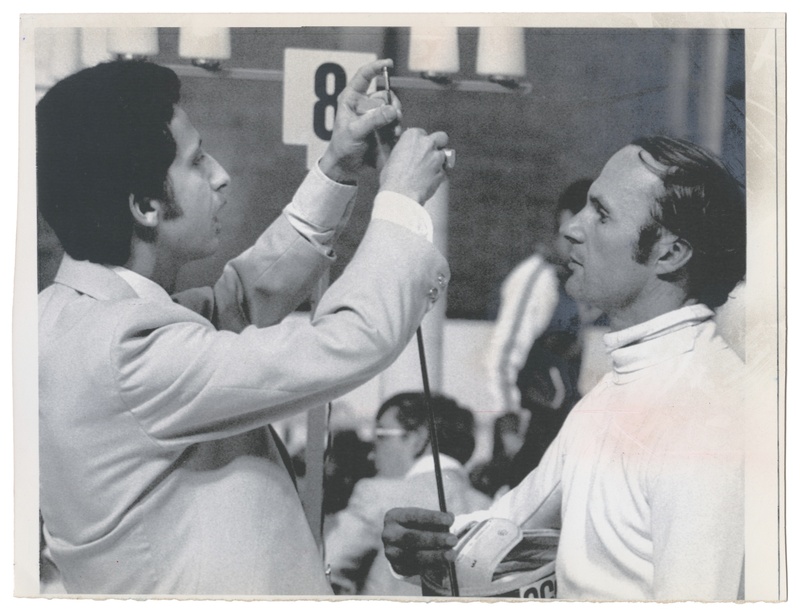
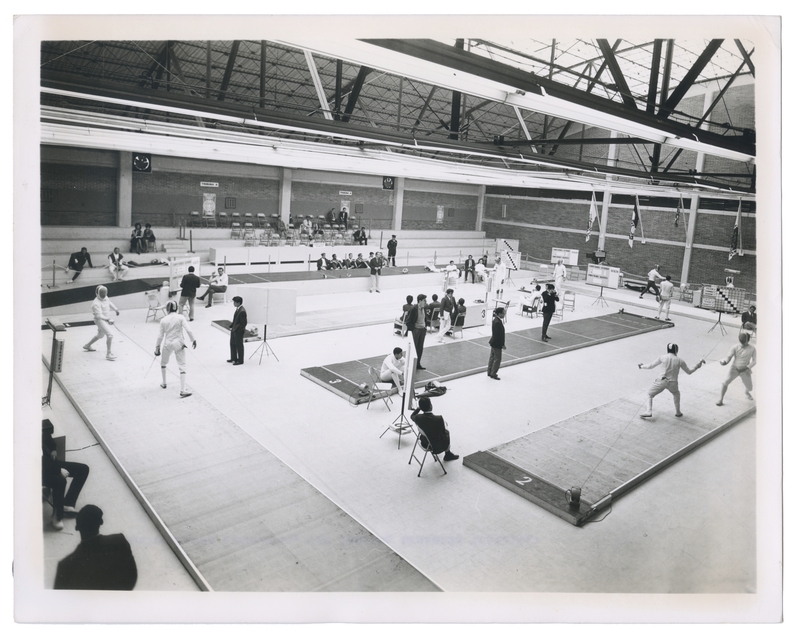
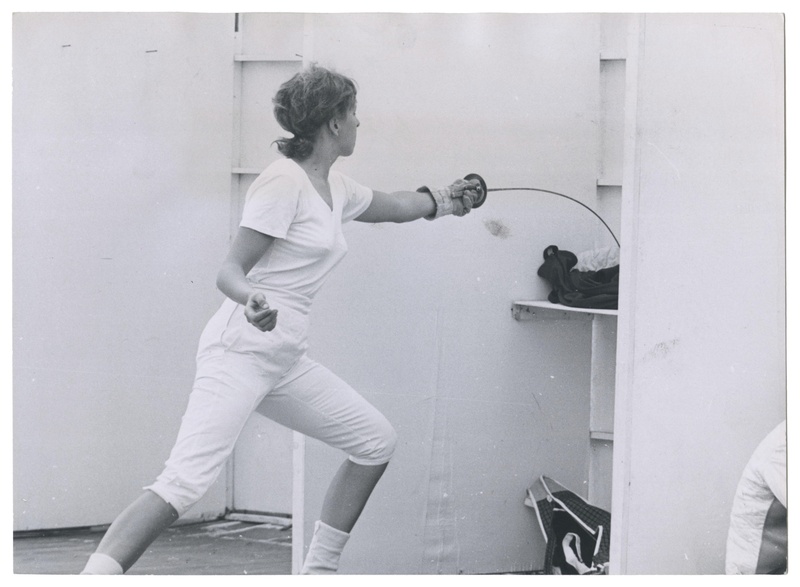
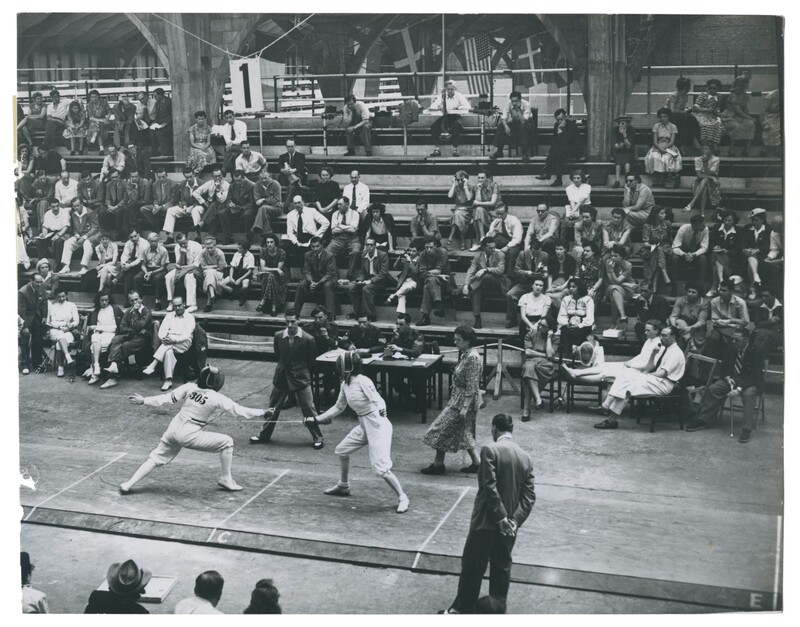
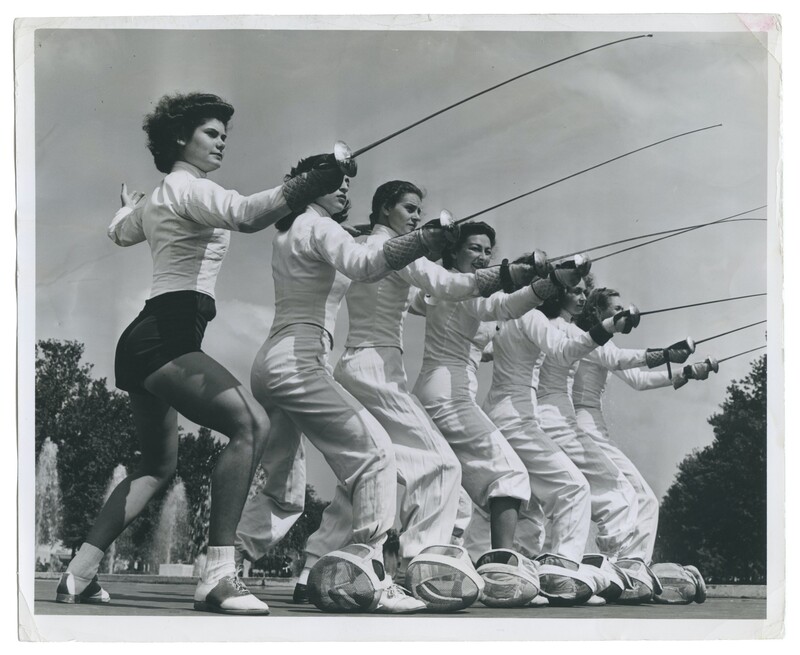
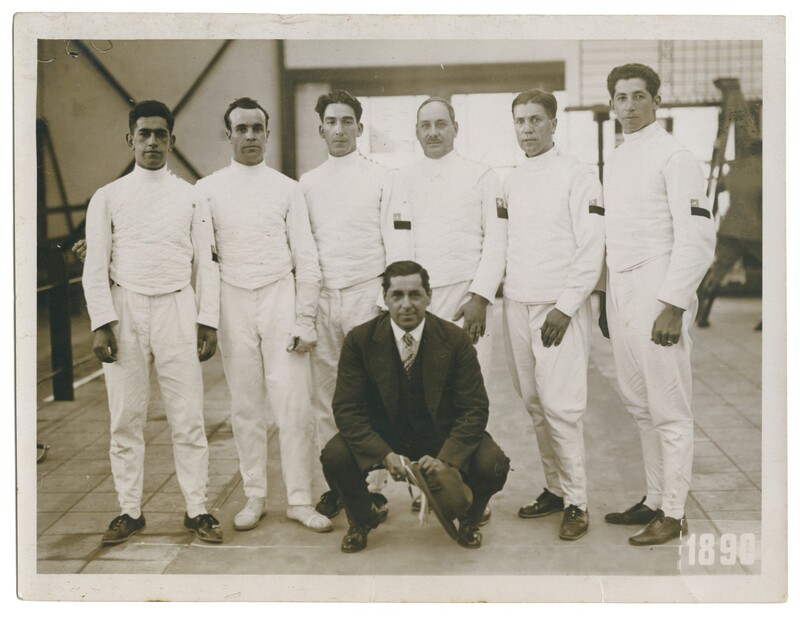
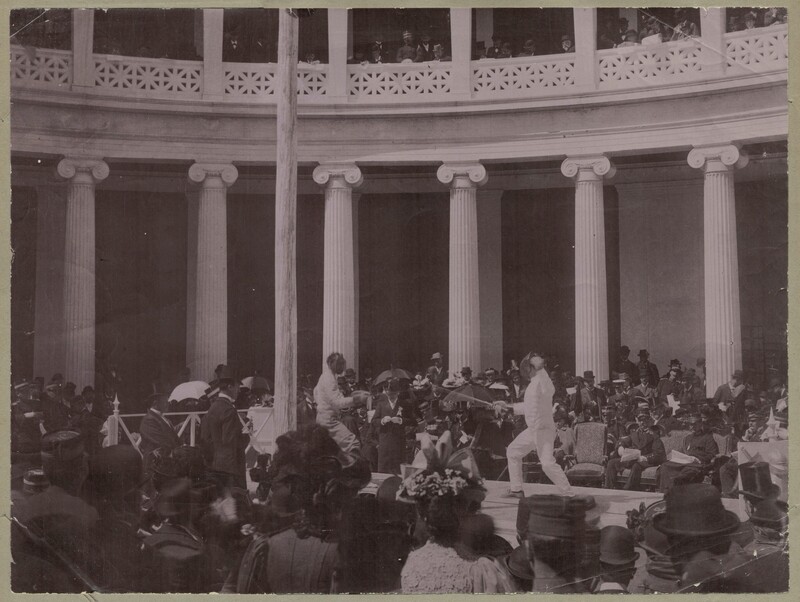
George Masin Photograph Collection
The George Masin Photograph Collection documents international fencing during the twentieth century through a remarkable series of press photographs, with a particular focus on the Olympic Games. As both an American Olympic fencer and dedicated collector of fencing history, George Masin assembled a unique archive preserving athletes, competitions, and behind-the-scenes moments from the sport's highest level.
Generously loaned to Fencing Arms & Artifacts, the collection demonstrates the important role that private collectors play in preserving fencing's heritage. By digitising and documenting privately held archives, the project helps ensure these unique historical resources remain accessible to researchers while allowing collectors to retain ownership of their collections.
Visual Art
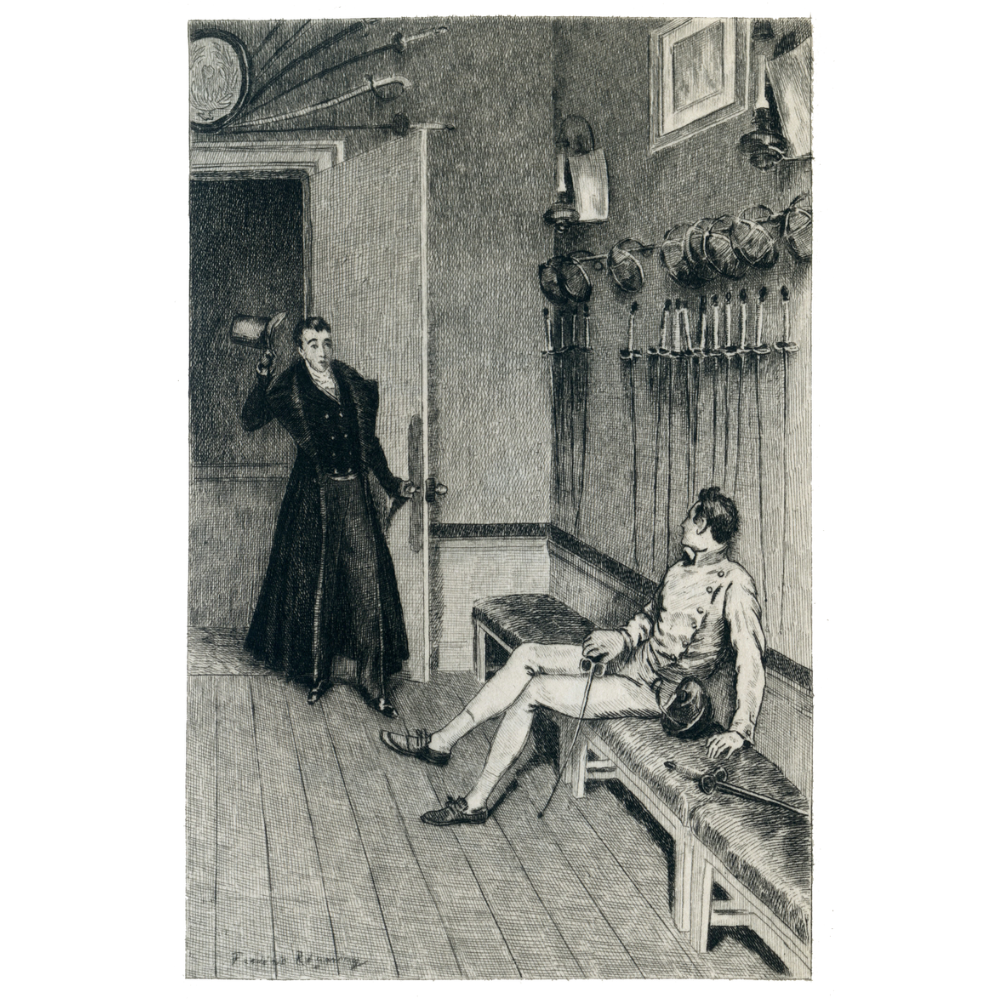
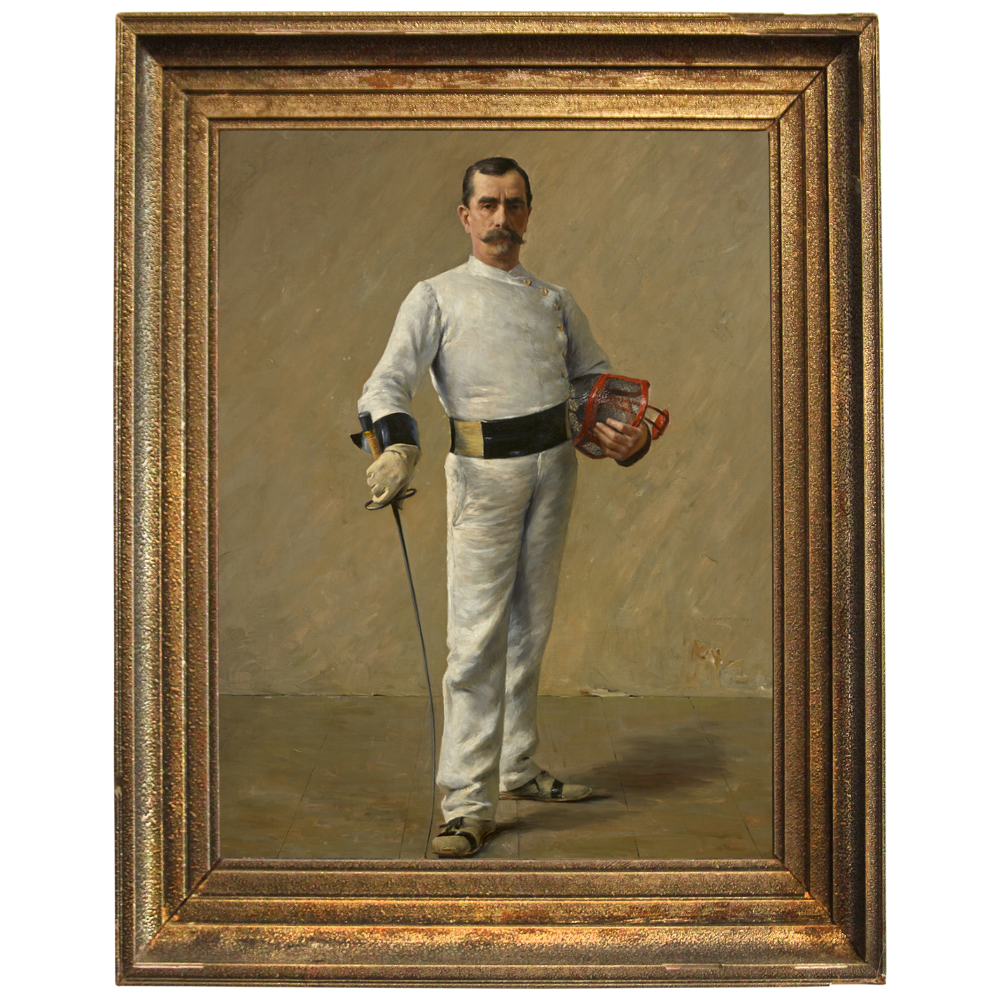
Visual art has played an important role in documenting and celebrating fencing for centuries. This collection includes illustrations, paintings, engravings, prints, and other artistic works depicting fencers, duels, masters, and historical scenes. Together they provide insight into how fencing has been represented in art, literature, and popular culture across different periods.
Awards & Honors
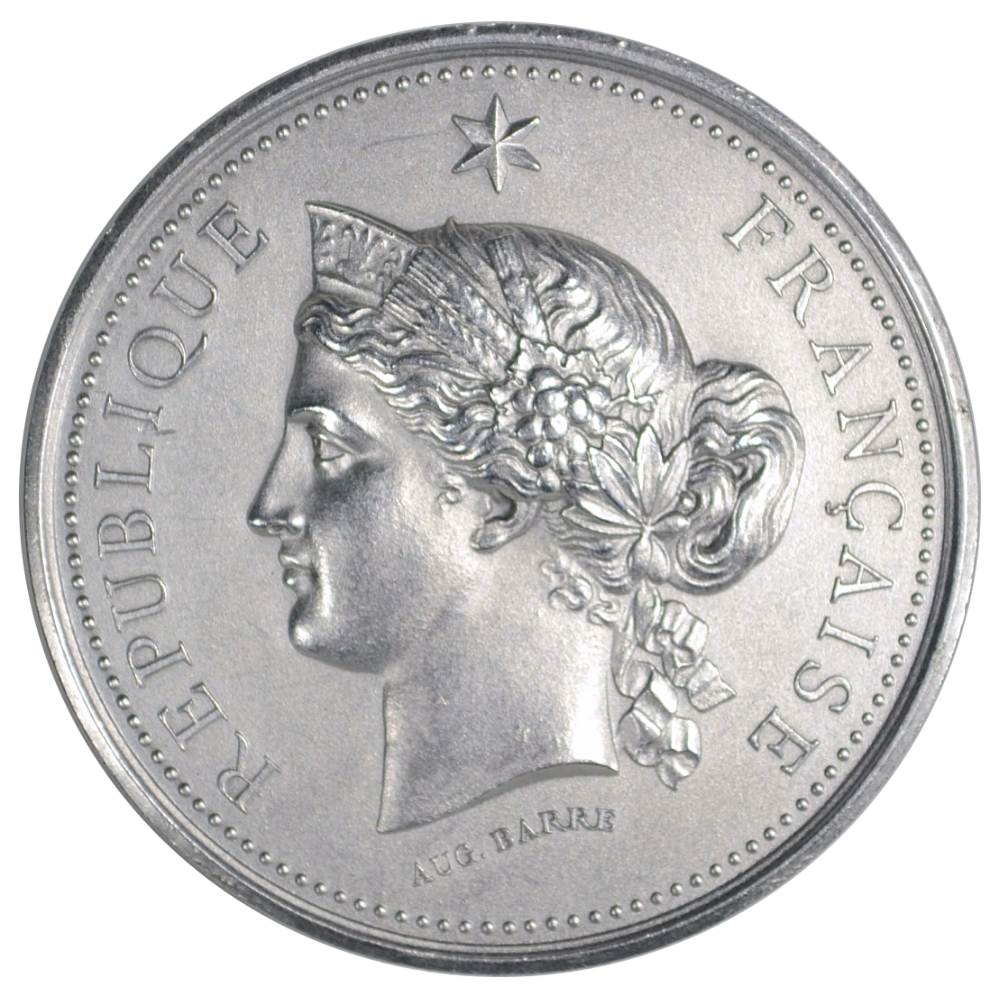
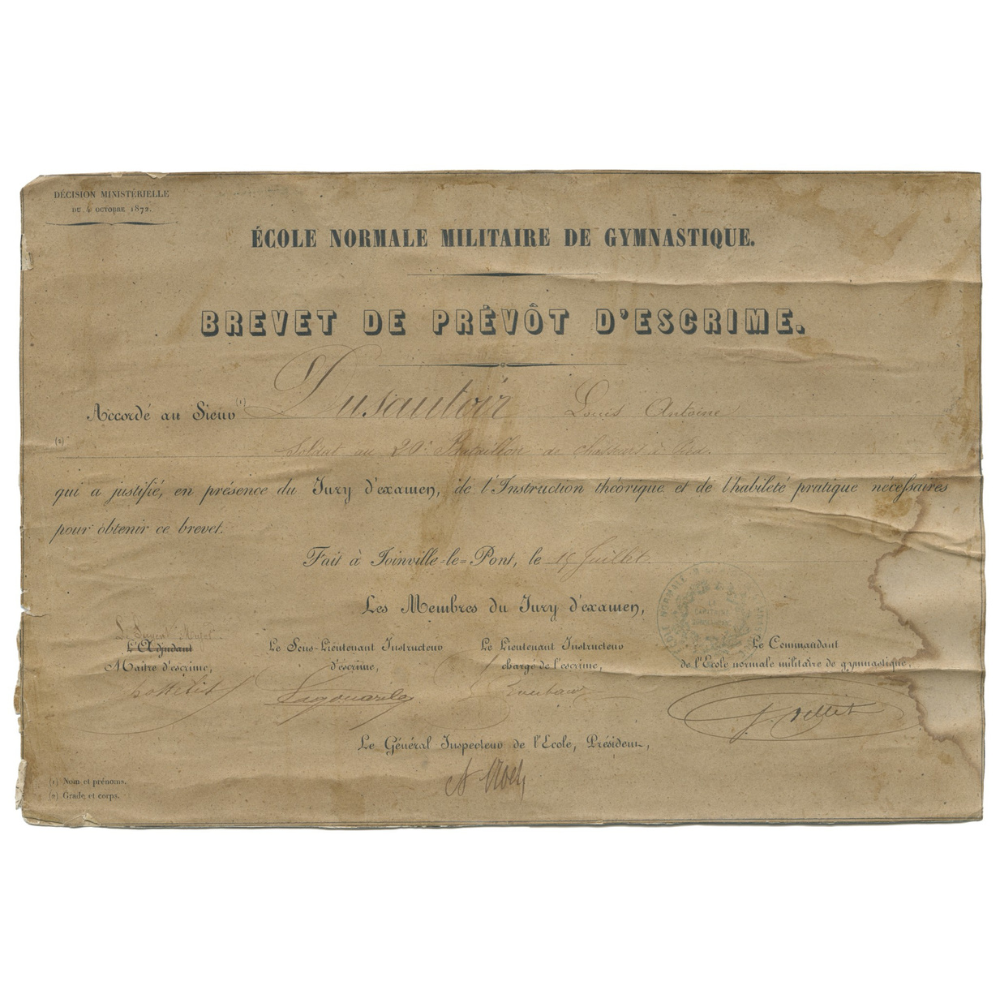
Medals, trophies, certificates, badges, and other awards tell the personal stories of achievement within the fencing community. These objects document competitive success, service to the sport, and the organisations that recognised excellence, providing a tangible record of fencing's people, institutions, and traditions.